
Radon Mitigation Denver Metropolitan Area
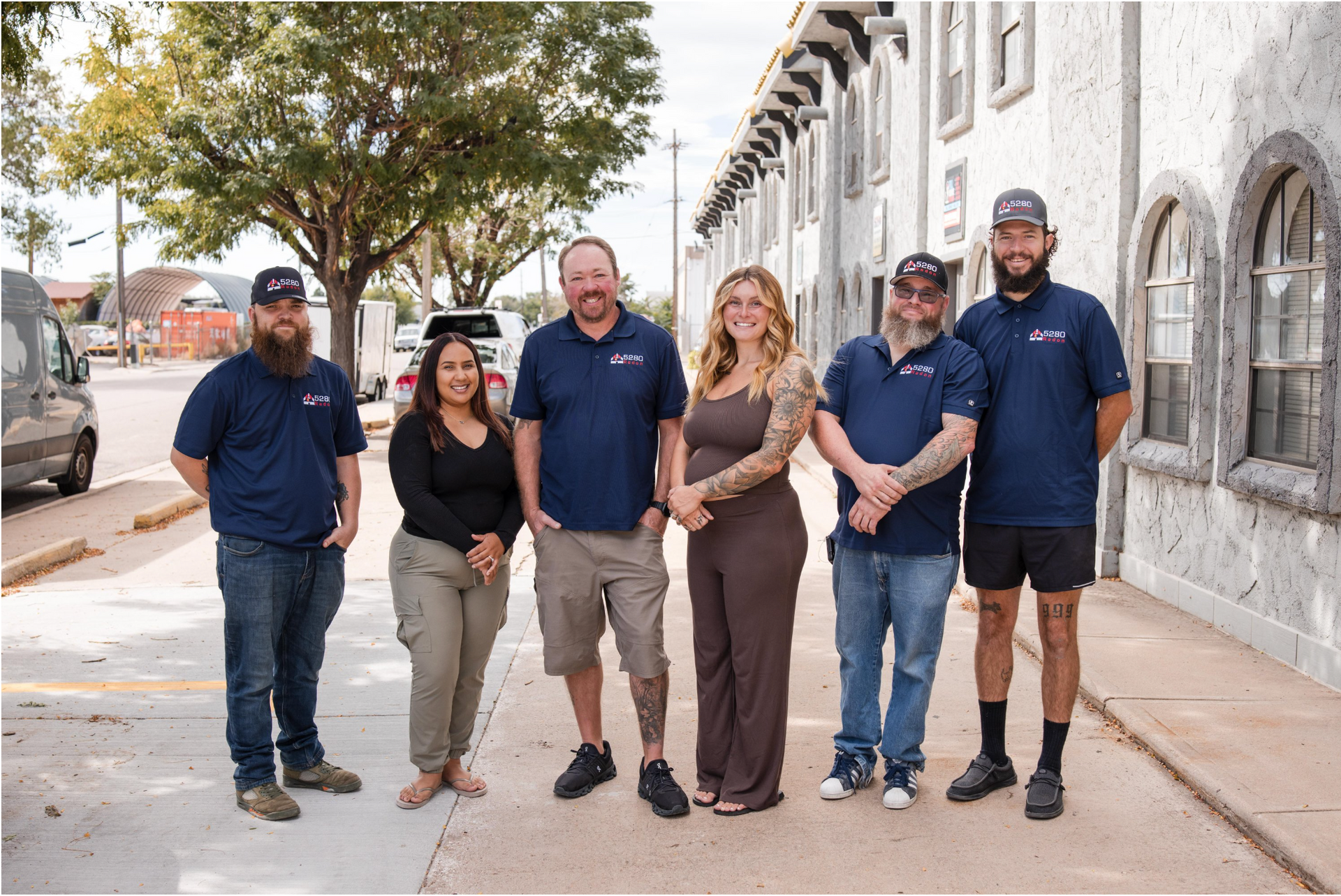
5280 Radon Mitigation specializes in radon mitigation system installations for homeowners and real estate transactions throughout the Denver metropolitan area.
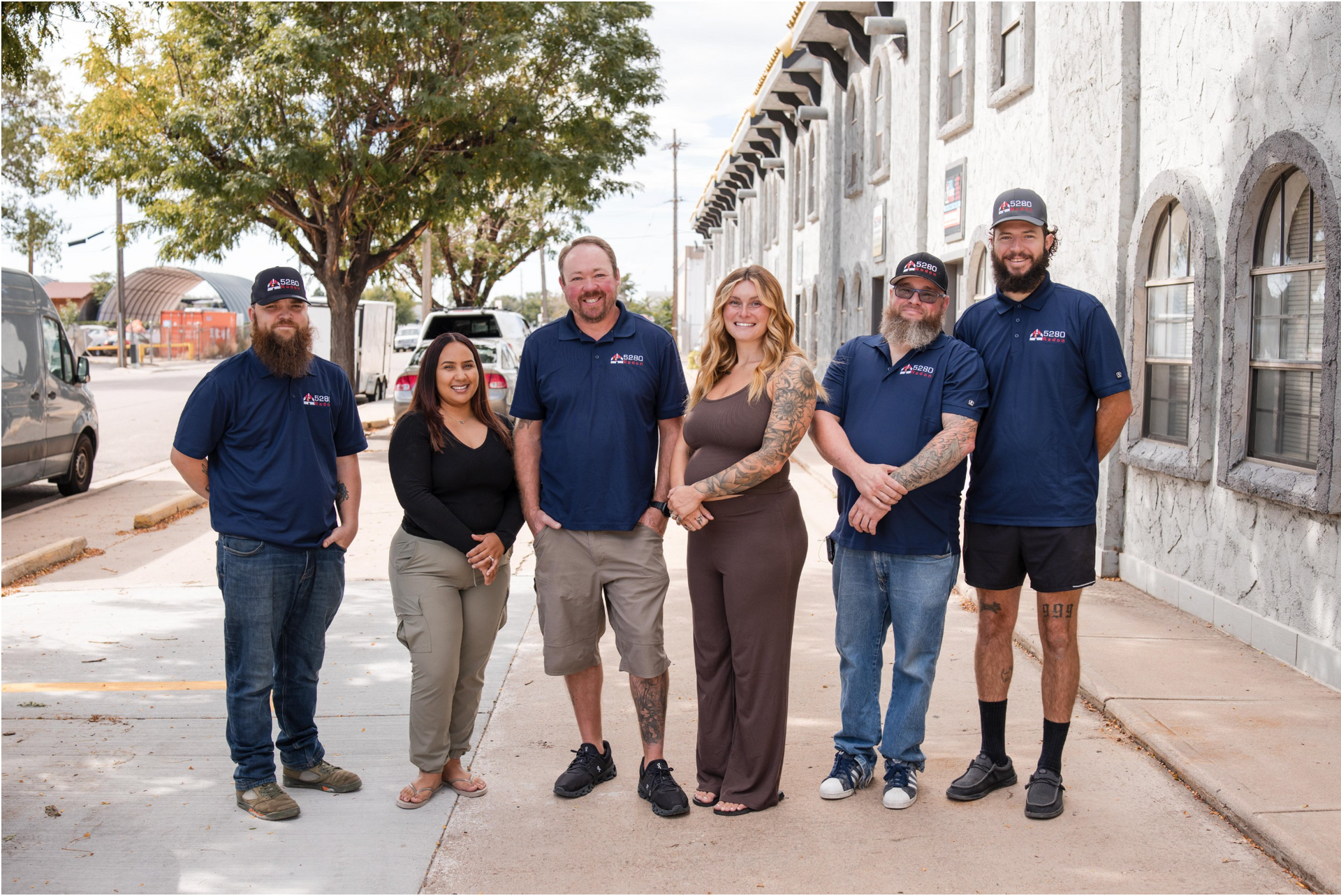
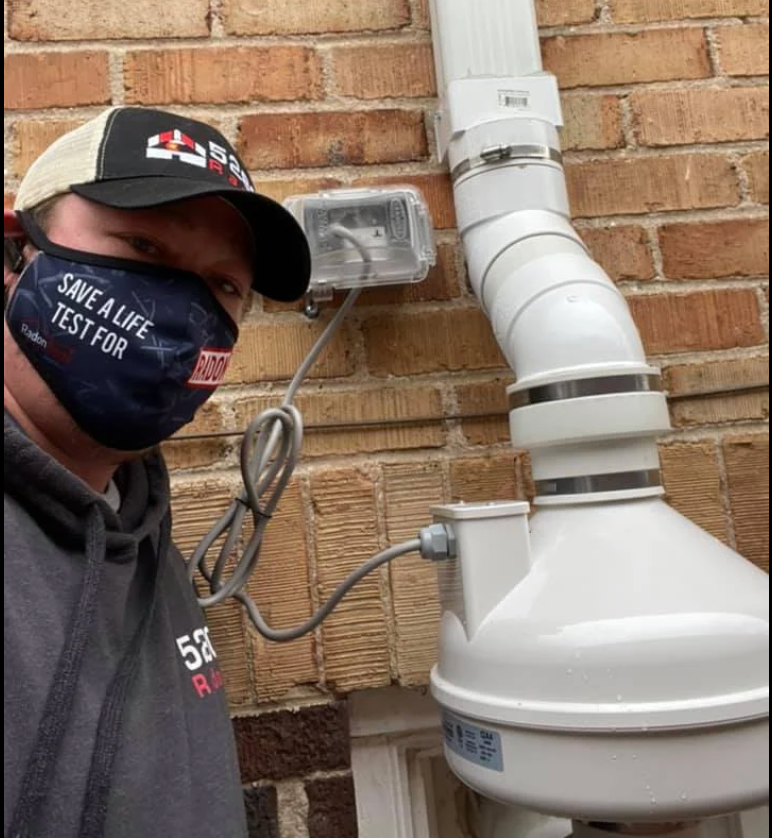
Our radon mitigation company in Denver, Colorado features NRPP-certified and DORA-licensed technicians dedicated to installing reliable mitigation systems. As an authorized RadonAway professional, our goal is to help reduce radon levels in the homes we service to below the EPA-recommended 4.0 pCi/L threshold.
$150 Off Radon Mitigation In Denver
Contact 5280 Radon Mitigation for a
free system installation estimate
if your home has tested high for radon.
Free Radon Test Post Mitigation In Denver
We guarantee that qualified installations will
test below 4.0 pCi/L, or we will return to fix the system at no additional cost.
Priority Real Estate Services In Denver
We work directly with agents and inspectors to provide timely system installations for Colorado real estate transactions.

Top-Rated Denver Radon Mitigation Company
300+ Denver area real estate agents and homeowners have rated our radon mitigation company five-stars on Google reviews.
Denver Metropolitan Radon Mitigation Service Areas
Understand Your Risk: Radon Testing & Mitigation In Denver
Radon gas is a risk for every home in the Denver area, regardless of age, foundation, or construction type. Because
radon levels can vary drastically even between neighboring houses, testing is the only way to ensure your indoor air is safe. Denver homeowners can easily monitor their environment using DIY kits or continuous monitors to see if levels exceed the
EPA safety threshold of 4.0 pCi/L.
Radon Mitigation for Elevated Levels
If testing reveals elevated levels,
5280 Radon Mitigation
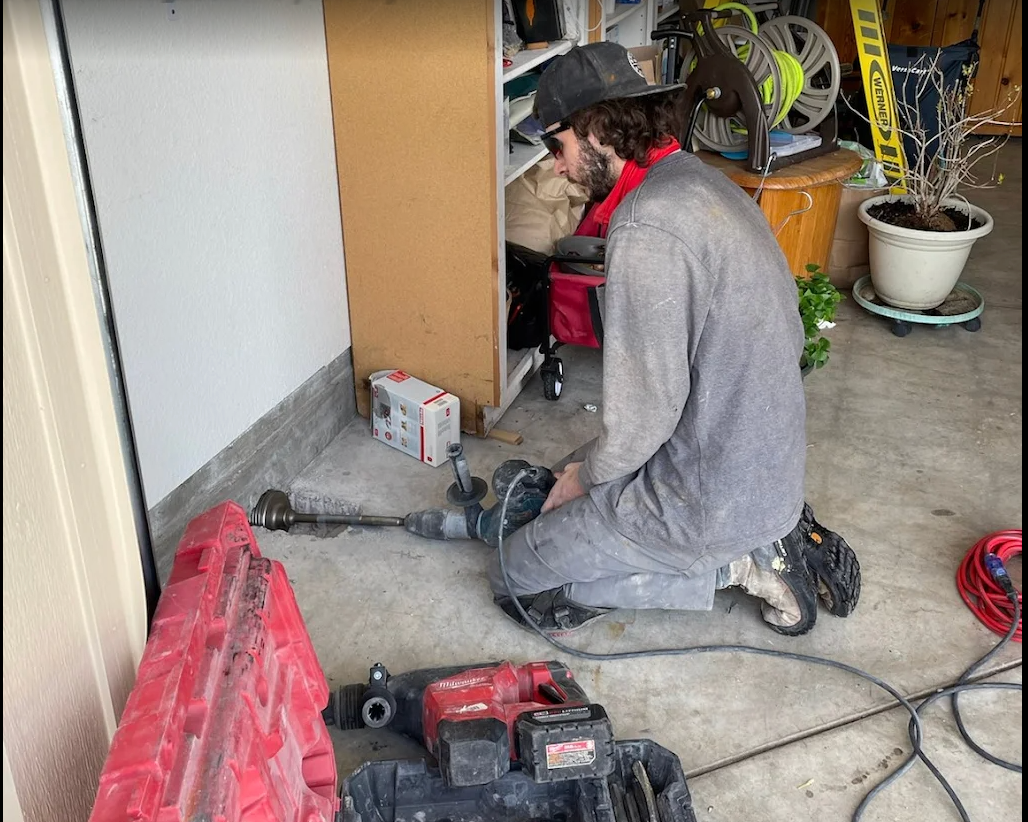
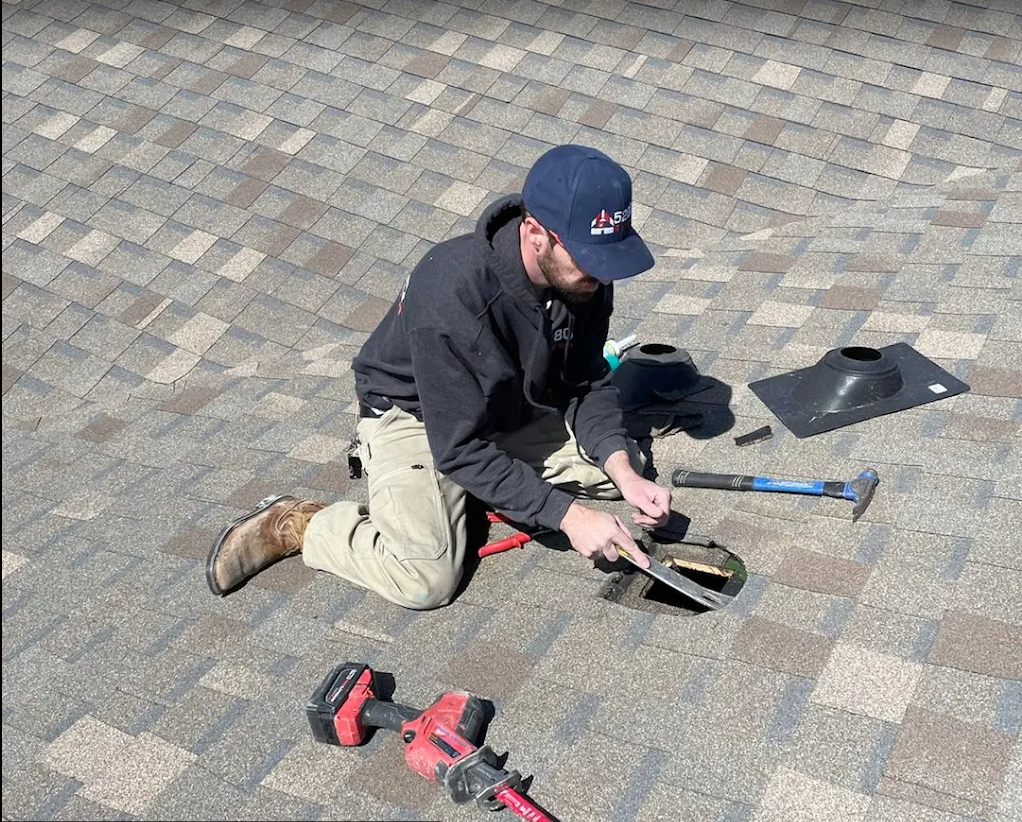
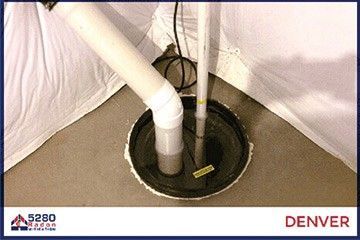
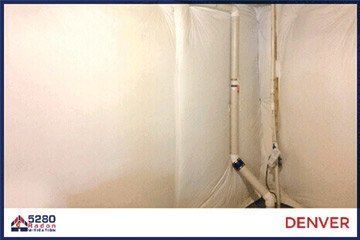
provides comprehensive solutions specifically designed for the Denver Metropolitan Area. Our approach combines
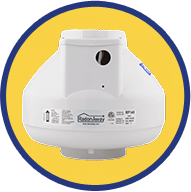
sealing techniques, ventilation improvements, and fan systems
to effectively reduce radon. We specialize in supporting real estate professionals and homeowners during transactions; with 80% of our clients coming from real estate deals, we prioritize prompt service to ensure
closings stay on schedule.
Radon Mitigation Performance Guarantees in Denver
Disclaimer:
Our mitigation systems are engineered to bring radon levels
below the 4.0 pCi/L threshold. To ensure your system is performing as intended, every installation in Denver includes a
free post-installation radon test. While effectiveness can depend on various factors, including your home's construction, age, foundation, and local radon levels,
a representative will inform you if your home qualifies for a performance guarantee before installation begins.
Denver Radon Mitigation: Free Estimate
Take the first step toward safer indoor air and protect your family from the dangers of radon gas. Contact 5280 Radon Mitigation in Denver today for a free, no-pressure cost estimate.

10,000+ Radon Fans Installed

4.0 PCI/L Radon
Levels Guarantee

NRPP Certified & DORA Licensed

5 Year Mitigation Warranty

Licensed & Insured Colorado Company

New Customer Discounts
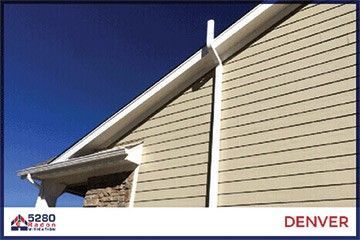
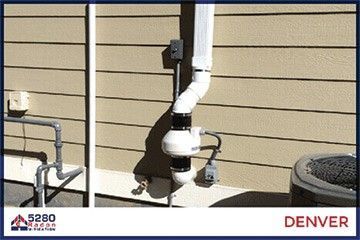
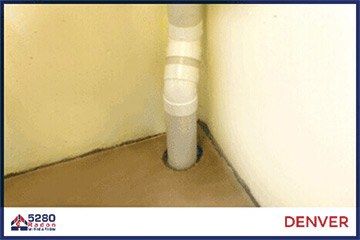
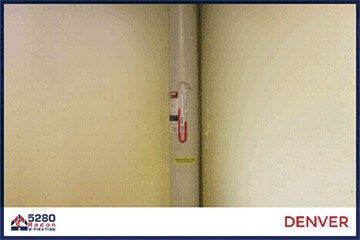
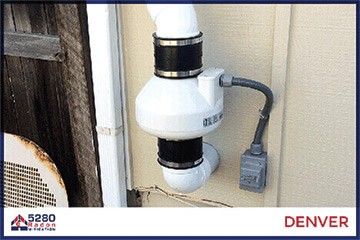
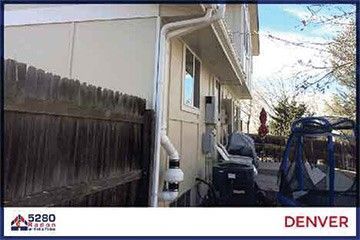
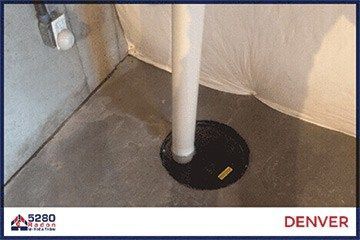
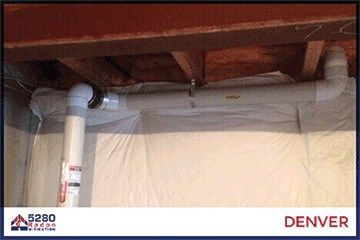
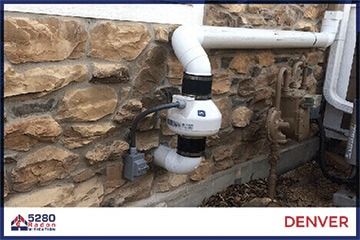
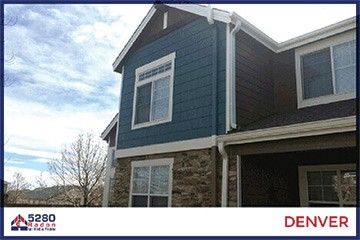
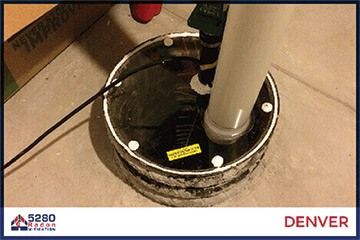
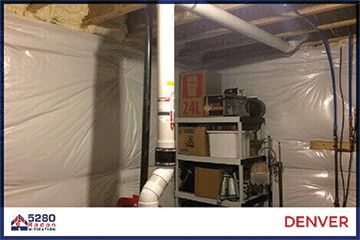
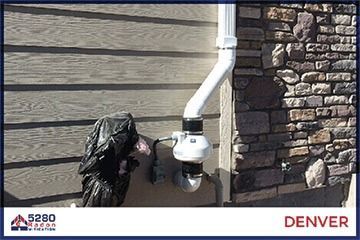
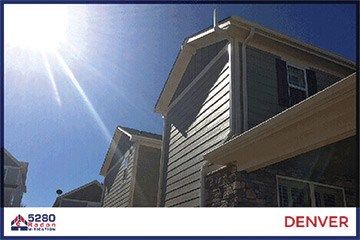
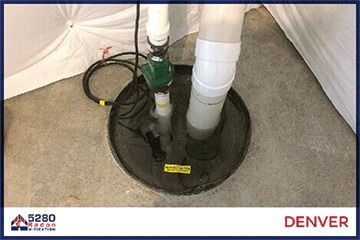
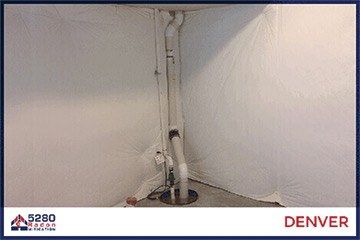
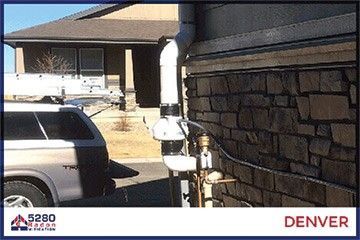
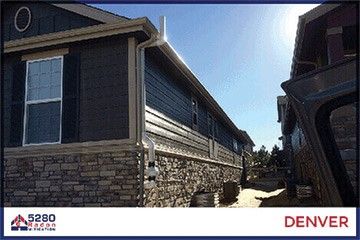
Radon Mitigation System Installations in Denver
Denver Radon Mitigation Questions & Answers
Does the age of my house affect the radon level?
No. You really have to measure the Radon in your house to know for sure. Many things influence the amount of Radon in a home.
Why are radon levels in my home high while those in my neighbor’s home are low?
The variation in Radon levels from home-to-home comes from a wide variety of factors. Soil composition, foundation structure, and methods of heating and cooling are just a few of the factors that influence Radon accumulation.
Is radon-related lung cancer fatal?
Most often, yes. Lung cancer is a disease that has a very poor survival rate. Prevention is the most effective defense. Don’t smoke and don’t breathe elevated concentrations of radon.
Are radon levels something I really need to be concerned with?
Yes! For most people, radon is their largest source of exposure to radiation. The US Environmental Protection Agency (EPA) has identified radon as the second leading cause of lung cancer in the United States. Studies have shown that three out of every four homes in Colorado test above the EPA actionable level of 4.0 pCi/L.
How common is radon in Colorado homes?
Radon is found in homes across all 50 U.S. states. About 1 in 15 homes has elevated radon levels. The risk is higher in certain states with uranium-rich soil like Colorado.
What is it about radon that makes it harmful?
When radon and its decay products are inhaled into your lungs they emit alpha particles. These alpha particles can strike the sensitive lining of the bronchi. When this happens, the cells in your lungs are damaged, subsequently increasing your risk to radon-related cancer. Most of the alpha particle radiation comes from radon decay products. However, since it is easier to measure radon rather than its decay products, people usually characterize the exposure by the amount of radon in their living spaces.
How does radon gas get inside of a home?
Radon can seep into a home through dirt floors, cracks and pores in concrete walls and floors, hollow-block walls, joints, drains pipes, and sump pumps. Building supplies made from materials containing uranium are rarely a significant source of residential radon.
How do I test my home for radon gas?
There are two general ways to test for radon in your home. One is a short-term test that can be easily found at your local hardware store, online, or you can hire a local home inspector. The second method is a long term radon test which takes anywhere between ninety days to a full year these are generally found online
What does pCi/L mean?
Picocuries per liter (pCi/L) is a unit for measuring radioactive concentrations. The curie (Ci) unit is the activity of 1 gram of pure radium 226. Pico is a scientific notation term which means 1*10¯’”. Another unit commonly used for radioactive concentrations is the SI unit Becquerels per meter cubed (Bq/m”). A Becquerel is one radioactive disintegration per second.
Can anything be done to reduce the hazard associated with radon?
Yes, definitely: Often the solution is simple and inexpensive. Choose a qualified radon mitigation contractor to fix your home. Start by checking with your state radon office. Many states require radon professionals to be licensed, certified or registered.